 Imperial City, royal tombs, food, festivals and seasons in Hue
Independent guide to Hue
Hue, planned on your own
A practical guide to the old imperial capital of Vietnam for people who organise their own visit: what the Imperial City and the royal tombs cost to enter and how long they take, how the Perfume River fits in, what to eat and where, which months flood, and how to arrive by train, road or air. Prices and dates carry the day we checked them.
What this guide covers
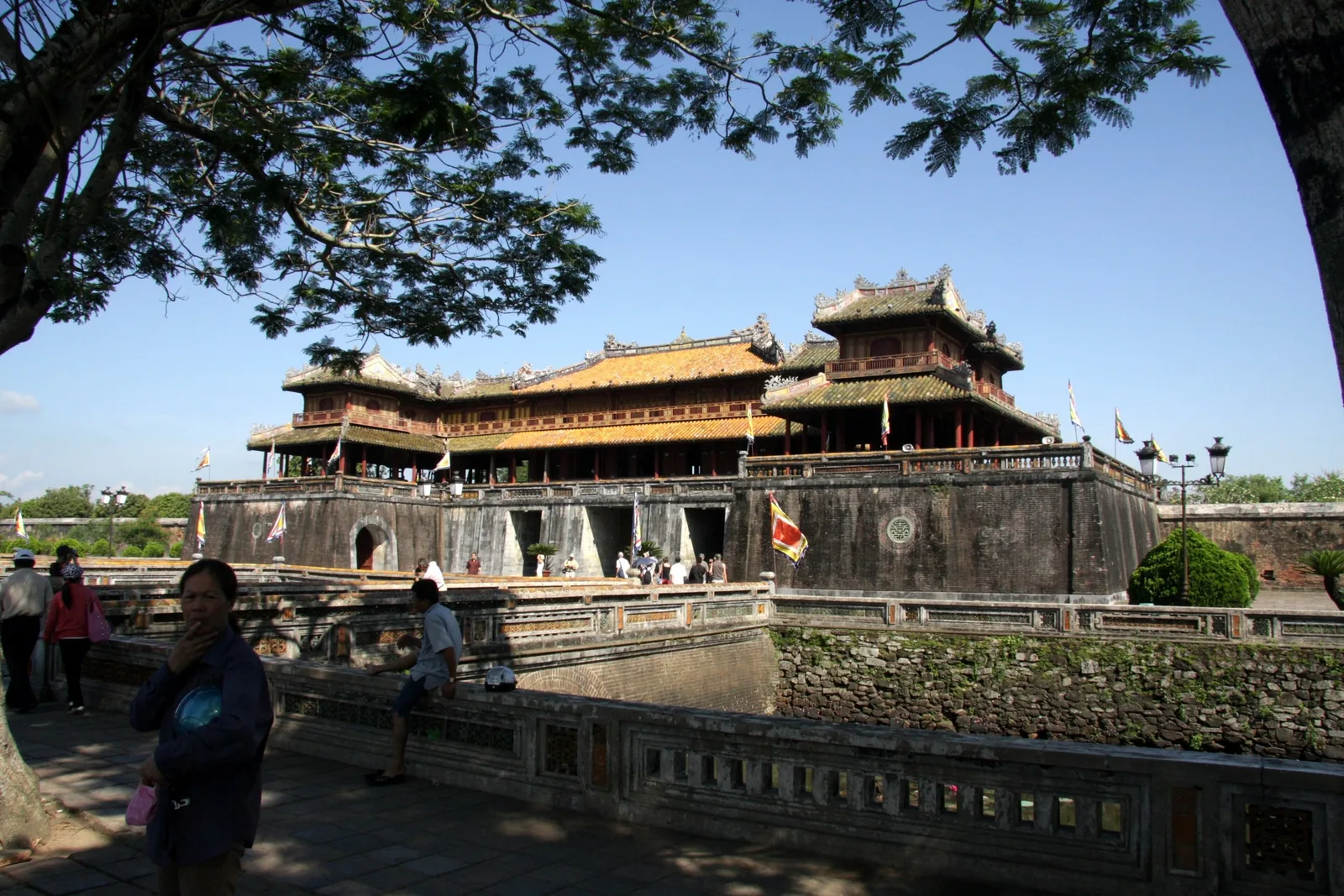
Hue sits on the Perfume River in central Vietnam, between Hanoi and Ho Chi Minh City and a short way north of Da Nang. From 1802 to 1945 it was the capital of the Nguyen dynasty, and the citadel, palaces and tombs the emperors left behind were inscribed by UNESCO as the Complex of Hue Monuments in 1993. Most visitors come for those monuments, stay one or two nights, and leave knowing they missed half of it.
This guide is organised around the decisions that shape a visit: which ticket to buy, which tombs to pair, whether a boat is worth it, which month you are walking into, and how to get in and out. It does not sell tours, tickets or boat trips, and it does not rank hotels or restaurants.
The Imperial City
The walled palace complex inside the citadel: its two zones, what has been rebuilt, how long to allow and whether it opens at night. Read the Imperial City page.
The royal tombs
Minh Mang, Khai Dinh, Tu Duc and Gia Long, how far out each one is, and how to combine them in half a day or a full day. See the tombs page.
Perfume River and Thien Mu
The pagoda on Ha Khe hill, the dragon boats at Toa Kham pier and the ca Hue music evenings. Read about the river.
Tickets and opening hours
Every single-site and combination ticket, child prices, guide fees, free days and the 2026 changes. Open the ticket table.
Weather and when to go
Dry months, the hot months, the September to December rains and what the October 2025 flood showed. See the month chart.
Getting to Hue
Phu Bai airport, the overnight train from Hanoi, the coastal line to Da Nang and the Hai Van Pass. Compare the routes.
Hue in 2026: what changed recently
Hue is now a city governed directly by the central government. The National Assembly voted on 30 November 2024 to turn the former Thua Thien Hue province into Hue City from 1 January 2025, covering the same 4,947 km² and about 1.24 million people. In the 2025 reorganisation that cut Vietnam's provinces and centrally-run cities to 34, Hue was one of eleven units left unchanged; its neighbours were not. Quang Tri, home of the old DMZ sites, merged with Quang Binh under the Quang Tri name, and Da Nang absorbed Quang Nam, which is where Hoi An lies. District-level government was abolished nationwide from 1 July 2025, so older addresses that name a district are out of date.
For visitors the practical changes are on the ticket counter and in the calendar. From the start of 2026 the city added an all-sites ticket valid for five days, and Festival Hue now runs as a year-long programme in four seasons rather than a single week. Inside the Imperial City, Kien Trung palace reopened at Tet 2024 after reconstruction, and work to rebuild Can Chanh palace began in April 2025.
Sources: Quan Doi Nhan Dan — resolution establishing centrally-run Hue City; LuatVietnam — 34 provincial-level units after the 2025 merger; Vietnam National Authority of Tourism — the 34 provincial names; Bao Van Hoa — fee resolution applying from 2026; VnEconomy — Festival Hue 2026 plan (500/KH-UBND); Bac Ninh TV / VNA — Kien Trung palace opens to visitors; DTiNews — Can Chanh palace reconstruction · last checked .
The short version of a first visit
- Imperial City: 200,000 VND for an adult; allow two hours for the main axis and three to four hours if you want the side courtyards and exhibitions.
- Royal tombs: Tu Duc is about 8 km from the centre, Khai Dinh about 10 km and Minh Mang about 14 km. Three tombs fit into half a day by car, all of them need two days.
- Combination ticket: the Imperial City plus Minh Mang, Tu Duc and Khai Dinh costs 530,000 VND, against 650,000 VND bought separately.
- Season: February to April is the driest and mildest stretch; September to December brings most of the year's rain and the flood risk.
- Nights: two nights is the minimum that covers the Imperial City and three tombs without rushing; see how many days.
Sources: Thua Thien Hue (now Hue City) portal — Hue Monuments Complex ticket and guide prices; Bao Van Hoa — fee resolution applying from 2026; VOV — the royal tombs of Hue; Thua Thien Hue portal — Khai Dinh tomb; Weather2Travel — Hue climate averages (climate data site) · last checked .
Food, festivals and the days around Hue
Hue's kitchen is a reason to stay an extra night on its own. The government news portal counts almost 1,700 of Vietnam's 3,000 traditional dishes as belonging to Hue, split between royal, folk and vegetarian lines. The food page explains bun bo Hue, com hen, banh beo and the royal banquet, and where in the city each is eaten, without ranking anywhere.
The festival calendar lists what happens month by month in 2026, from the Ban Soc ceremony on New Year's Day to the arts festival week of 13 to 18 June and the Mid-Autumn lanterns. The day trips page describes the DMZ sites to the north, Lang Co and the Hai Van Pass to the south, and the Tam Giang lagoon on the coast.
Sources: Government news portal — Hue cuisine; VnEconomy — Festival Hue 2026 plan (500/KH-UBND) · last checked .
How we work
Prices, hours and timetables come from official sources where we can read them: the Hue City portal, the city tourism portal, the railway and airport operators, and government advice. Where only an airline guide or an independent site answers the question, the source line under the section says so. Each of those lines carries the date an editor checked it. Details are on the about page.
When we could not confirm something, the page says that instead of guessing. The clearest example is the daily opening time of the Imperial City, which different published sources give differently; the ticket page shows the range and tells you how to confirm it on the day.
Who this guide is not for
- Travellers who want a packaged tour or someone to book through. We do not sell or recommend any.
- Readers looking for hotel or restaurant rankings. We describe areas and dishes, not businesses.
- Anyone who needs real-time flood or storm warnings. Use official weather services and local authorities.
- Researchers after deep architectural history. These pages stay practical.
Common questions
Questions readers ask
Is this an official Hue government site?
No. It is an independent guide. It cites the Hue City portal, the city tourism portal and the official ticket office so you can check each figure yourself.
Can I buy Imperial City tickets here?
No. Tickets are sold at each monument's gate and online through the Conservation Centre's e-ticket service. The tickets page explains the options and prices.
Is Hue still a province?
No. Since 1 January 2025 Hue is a centrally-run city covering the whole of the former Thua Thien Hue province, and it kept its boundaries in the 2025 reorganisation.
How many days do I need in Hue?
Two nights covers the Imperial City and three tombs at a reasonable pace. Three nights adds the river, the food and one day trip. The how-many-days page sets out both plans.
Related
Read next
Places · Imperial City
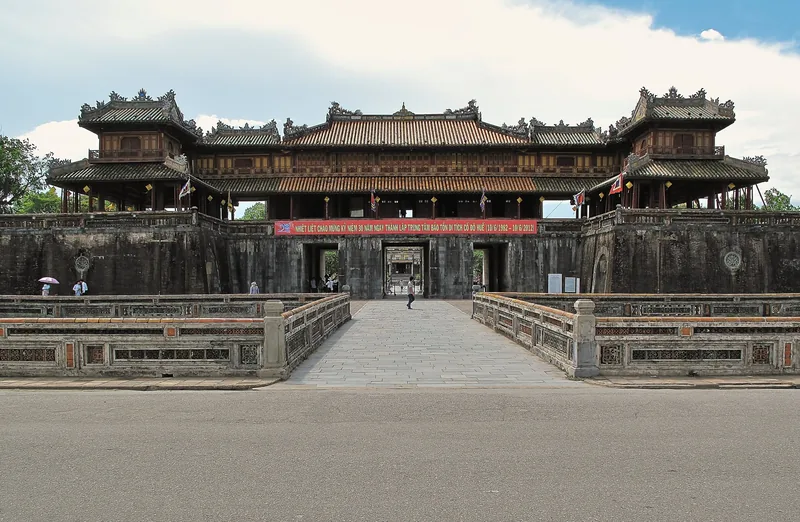
Imperial City
The Imperial City's two zones, what has been rebuilt, tickets, hours, night openings and when not to go.
Read more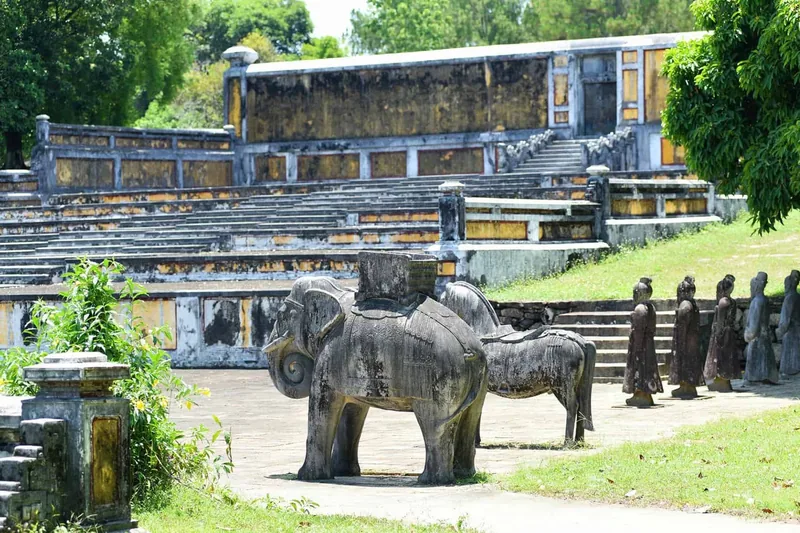
Places · Royal tombs
Royal tombs
Minh Mang, Khai Dinh, Tu Duc and Gia Long: distances, tickets, what each is like and how to combine them.
Read more
Plan · Tickets
Tickets and hours
Every Hue monument ticket and combination route with child prices, guide fees, free days, hours and the 2026 changes.
Read more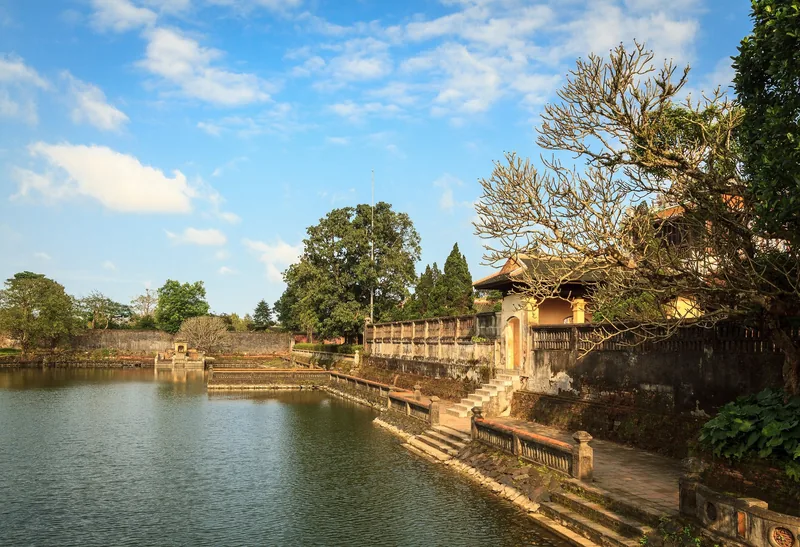
Plan · Weather
Weather and when to go
Month-by-month Hue weather: dry spring, hot summer, the September–December rains, floods and what to plan around.
Read more
Plan · Transport
Getting to Hue
Flights to Phu Bai, trains from Hanoi and Da Nang, the heritage train, the Hai Van Pass and the road to Hoi An.
Read more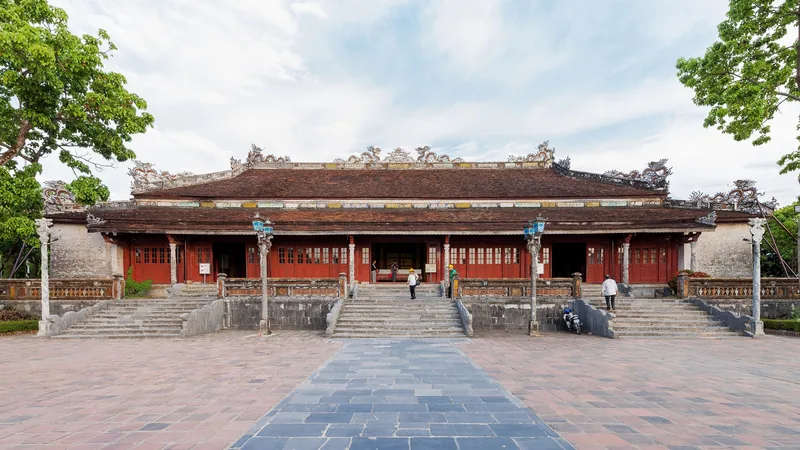
Plan · Length of stay
How many days
One, two and three-night plans for Hue, the order to see the Imperial City, tombs and river, and which ticket fits.
Read more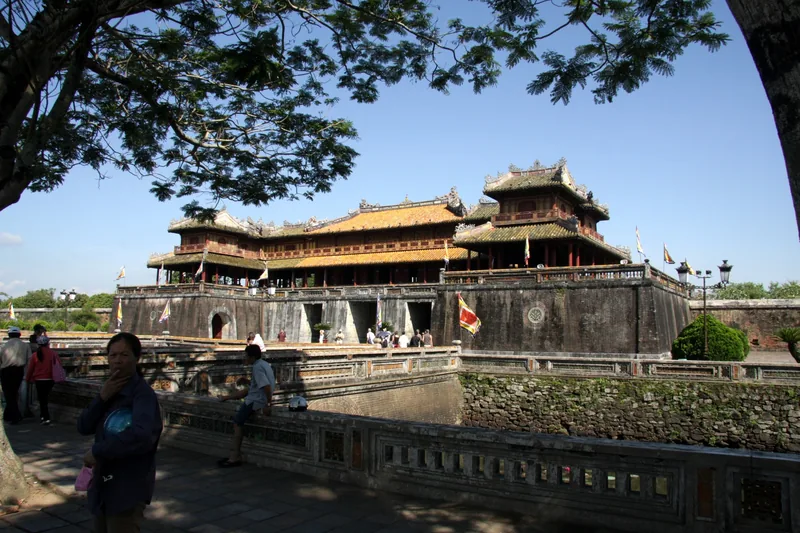
Start planning
Send a correction or a question
Tell us which page and which line, what you found at the ticket gate, on the river or on an official notice, and when. A link to the source helps us check it.