 Imperial City, royal tombs, food, festivals and seasons in Hue
Plan · Transport
Getting to and from Hue
Hue is on Vietnam's north–south railway and highway, with its own airport at Phu Bai. Arriving is easy; the choice is between the overnight train from Hanoi, a short flight, and the coastal stretch to Da Nang, which is either a scenic train ride, a drive over the Hai Van Pass, or a quicker trip through the tunnel.
The options side by side
| Route | Mode | Time | Reported fare | Note |
|---|---|---|---|---|
| Hanoi – Hue | Flight | From about 1 h 10 min in the air | Varies by date | Plus airport transfers |
| Hanoi – Hue | Overnight train | About 12.5 to 15 h | Soft sleeper 1,140,000–1,220,000 VND | 688 km; about 9 trains a day |
| Ho Chi Minh City – Hue | Flight | From about 1 h 25 min | Varies by date | Frequent daily flights |
| Da Nang – Hue | Train | About 2.5 to 4 h | From about 220,000 VND | 103 km; about 11 trains a day |
| Da Nang – Hue | Heritage tourist train | About 3 h | About 330,000 VND reported | Stops at Lang Co |
| Hoi An – Hue | Bus or limousine van | 3 to 5 h | 200,000–480,000 VND | About 125 km |
| Hoi An – Hue | Private car | About 3 to 3.5 h | About 1,450,000 VND | Via tunnel or over the pass |
Times and fares are reported by the airline, by an independent timetable site that checked them on 21 October 2026, and by the railway's own announcements. They change with season and timetable; check before you go.
Sources: Vietnam Airlines — Hue (Phu Bai) airport guide; vietnamtourism.com — Hanoi to Hue timetable (independent site); vietnamtourism.com — Da Nang to Hue timetable (independent site); Vietnam National Authority of Tourism — Connecting Central Heritage train; Vietnam Airlines — Hoi An to Hue guide · last checked .
By air: Phu Bai International Airport (HUI)
Hue's airport is at Phu Bai, about 13 to 15 km south-east of the city centre, a drive of 20 to 30 minutes. Since 2023 all flights use Terminal 2. Vietnam Airlines lists direct flights from Hanoi (from about 1 hour 10 minutes, several a day), Ho Chi Minh City (from about 1 hour 25 minutes, around 15 a day) and Da Lat; other carriers fly the main domestic routes too. International connections normally go through Hanoi, Ho Chi Minh City or Da Nang.
Into town, a taxi or ride-hailing car is the simplest option, from about 160,000 VND. Public buses on lines 02, 07, 10 and 11 cost 7,000 to 10,000 VND but stop at the airport junction, so check the schedule and the walk before relying on them.
Sources: Vietnam Airlines — Hue (Phu Bai) airport guide · last checked .
By train from Hanoi
Hue is a stop on the north–south line. From Hanoi it is 688 km, and trains take between about 12.5 and 15 hours, with around nine departures a day. The usual choice is an overnight train leaving Hanoi in the evening and arriving in Hue in the morning, in a four-berth soft sleeper, reported at 1,140,000 to 1,220,000 VND, or a six-berth hard sleeper at 830,000 to 1,070,000 VND. That saves a night's accommodation and a morning of airport transfers.
Buy from Vietnam Railways at dsvn.vn or at the station. Several sites with names that look official are agencies that add their own charge. Hue station is on the south bank, a short taxi ride from the main hotel streets.
Sources: vietnamtourism.com — Hanoi to Hue timetable (independent site); The Man in Seat 61 — trains in Vietnam (independent guide) · last checked .
Hue to Da Nang: rail, pass or tunnel
The 103 km between Hue and Da Nang is the most scenic stretch of the whole railway: the line follows the coast past cliffs and beaches and climbs around the Hai Van mountains. Regular trains take about 2.5 to 3 hours, with around 11 departures a day in each direction.
Since 26 March 2024 Vietnam Railways has run a tourist service between the two cities, launched as "Connecting Central Heritage", with soft-seat carriages, a community carriage and a stop at Lang Co. The journey takes about three hours, with two departures each way daily at launch; check the current times on dsvn.vn, as they have changed since.
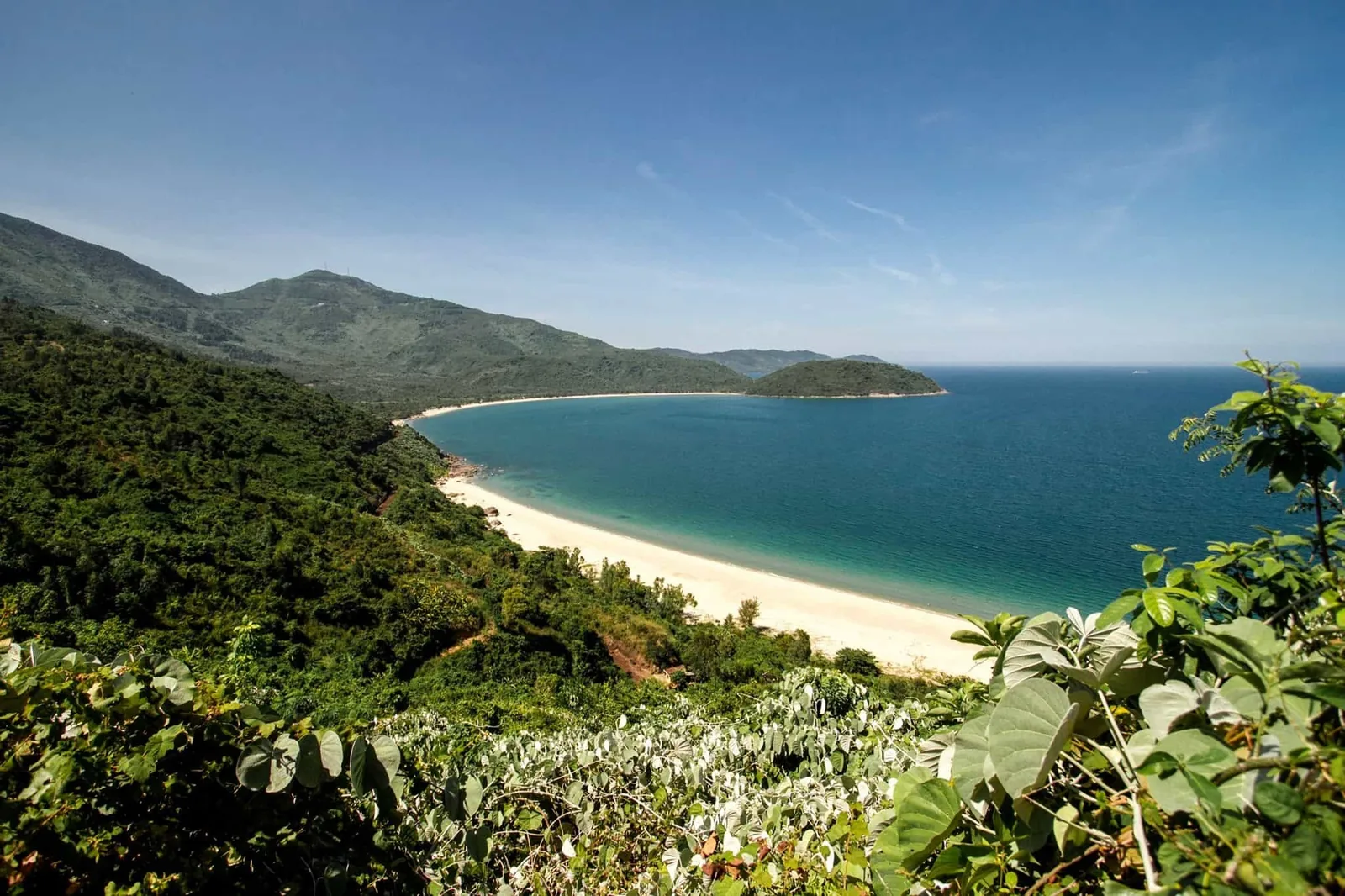
By road there are two choices. The Hai Van tunnel, about 6.2 km long, opened in 2005 with a second tube in 2021, carries buses and cars and is the quick route; motorbikes are not allowed in it. The Hai Van Pass itself climbs about 20 km over the mountain to the old Hai Van gate at about 496 m, with views over Da Nang bay on one side and Lang Co on the other. A common plan is to ride or drive over the pass one way and take the train the other.
The Da Nang tourism authority describes March to August as the clearest season on the pass. From September to December the road can be slippery and foggy; avoid it in storms or thick fog.
Sources: vietnamtourism.com — Da Nang to Hue timetable (independent site); The Man in Seat 61 — trains in Vietnam (independent guide); Vietnam National Authority of Tourism — Connecting Central Heritage train; Da Nang tourism portal — Hai Van Pass · last checked .
Hue to Hoi An
Hoi An has no railway station. It is about 125 km from Hue by road, and since the 2025 reorganisation it lies within the enlarged Da Nang city, which absorbed Quang Nam province. Buses and limousine vans take 3 to 5 hours and are reported at 200,000 to 480,000 VND; a private car takes about 3 to 3.5 hours. By rail, take the train to Da Nang and continue by road for the last 30 to 45 km.
Sources: Vietnam Airlines — Hoi An to Hue guide; Vietnam National Authority of Tourism — the 34 provincial names · last checked .
Getting around Hue
Central Hue is compact. The citadel is on the north bank and most accommodation on the south bank, linked by Truong Tien and other bridges. Ride-hailing apps and metered taxis cover short trips. For the tombs and the lagoon you need a car, motorbike or bicycle, since there is no useful public transport to them.
The Canadian government advises travellers to hire a driver rather than ride a motorbike in Vietnam, warns that fatal accidents involving motorcycles and pedestrians are frequent, and notes that foreign licences and international driving permits are not recognised for motorcycles of 50cc or more.
Sources: Government of Canada — Vietnam travel advice · last checked .
Onward to the DMZ and the coast
North of Hue, the former demilitarised zone lies in Quang Tri province, which merged with Quang Binh in 2025 and kept the Quang Tri name. South, Lang Co sits at the foot of the Hai Van Pass on the Hue side. Both are described on the day trips page.
Sources: Vietnam National Authority of Tourism — the 34 provincial names; Da Nang tourism portal — Hai Van Pass · last checked .
Common questions
Questions readers ask
Is it better to fly or take the train from Hanoi to Hue?
Flying is faster, from about 1 hour 10 minutes in the air plus transfers. The overnight train takes about 12.5 to 15 hours but saves a night's accommodation. Choose by time and budget.
Where do I buy Vietnamese train tickets?
From Vietnam Railways at dsvn.vn or at the station. Sites with similar names are usually agencies that add a charge.
Can I ride a motorbike through the Hai Van tunnel?
No. Motorbikes are not allowed in the tunnel. Riders use the pass road over the mountain, or a shuttle.
How do I get from Hue to Hoi An?
By bus or limousine van in 3 to 5 hours, by private car in about 3 to 3.5 hours, or by train to Da Nang and then by road, since Hoi An has no station.
Related
Read next
Plan · Day trips
Day trips
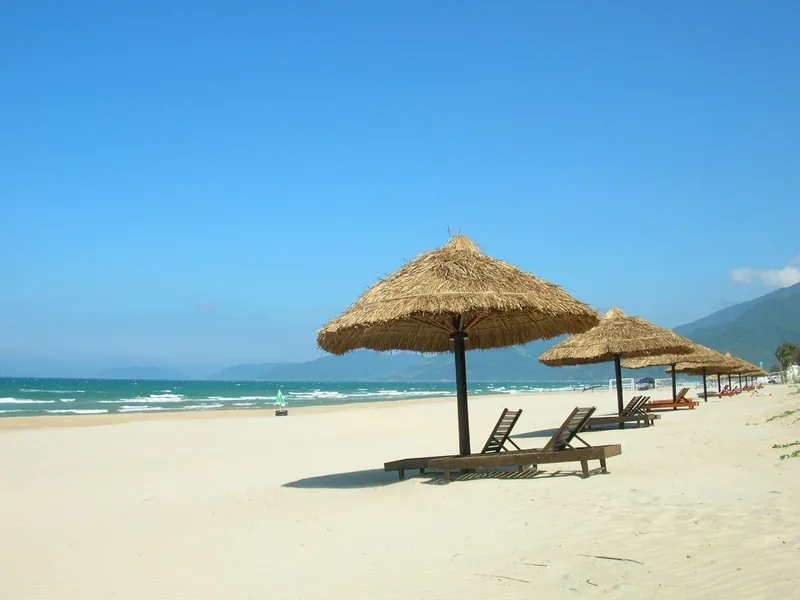
What the DMZ sites, Lang Co, the Hai Van Pass and Tam Giang lagoon involve as day trips from Hue, and safety points.
Read more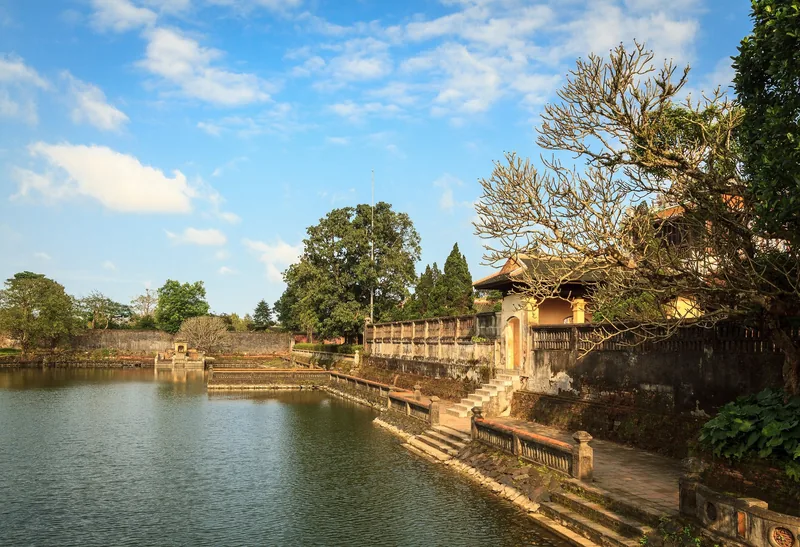
Plan · Weather
Weather and when to go
Month-by-month Hue weather: dry spring, hot summer, the September–December rains, floods and what to plan around.
Read more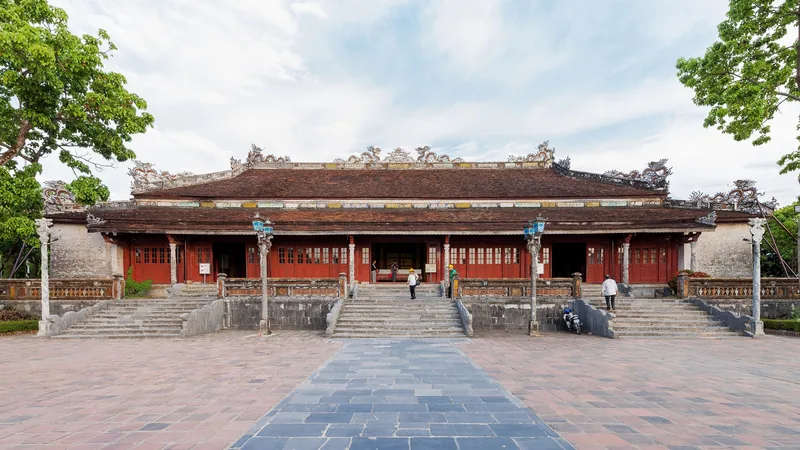
Plan · Length of stay
How many days
One, two and three-night plans for Hue, the order to see the Imperial City, tombs and river, and which ticket fits.
Read more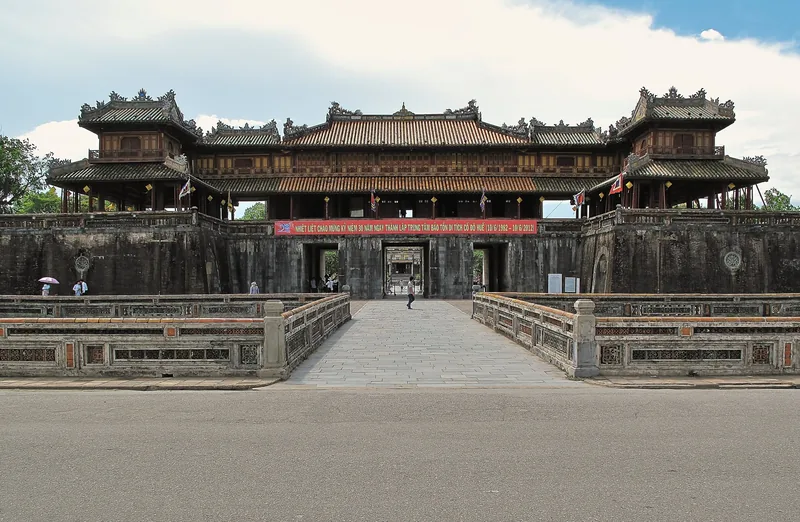
Places · Imperial City
Imperial City
The Imperial City's two zones, what has been rebuilt, tickets, hours, night openings and when not to go.
Read more
Plan · Tickets
Tickets and hours
Every Hue monument ticket and combination route with child prices, guide fees, free days, hours and the 2026 changes.
Read more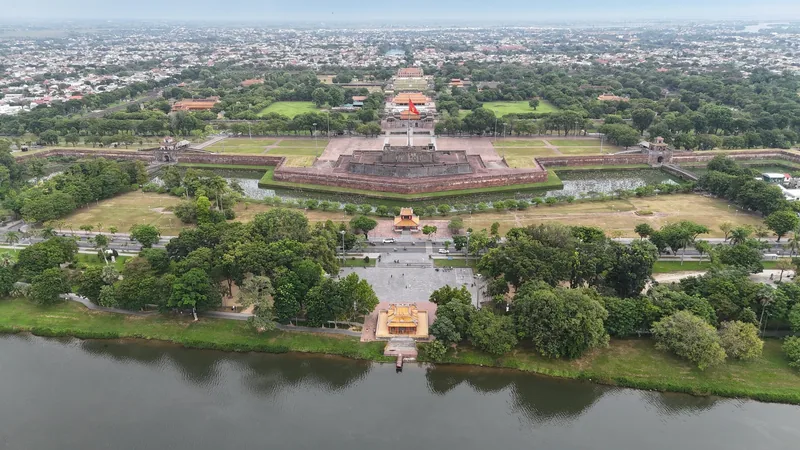
Places
Places
Overview of the Imperial City, the royal tombs, the Perfume River and Tam Giang lagoon, with time and cost for each.
Read more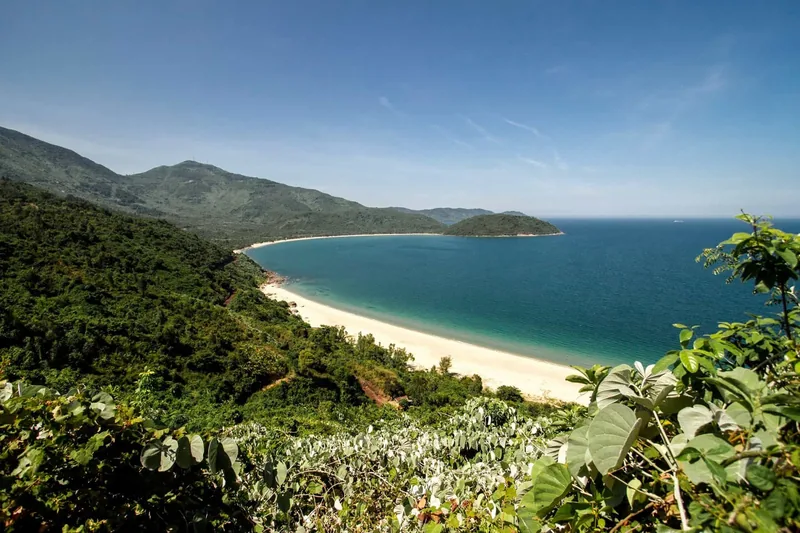
Start planning
Send a correction or a question
Tell us which page and which line, what you found at the ticket gate, on the river or on an official notice, and when. A link to the source helps us check it.